Val Verde Regional Medical Center Implements SMART ER
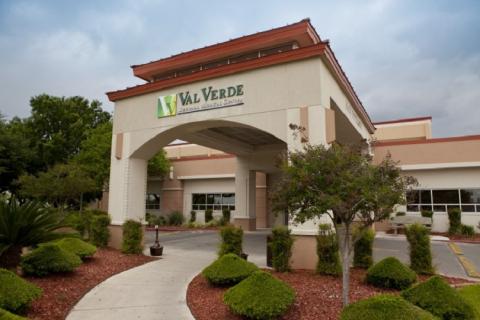
Val Verde Regional Medical Center (VVRMC) located in Del Rio, Texas is a Center for Improvement in Healthcare Quality (CIHQ) accredited, 47-bed, not-for-profit hospital, providing acute care, intensive care, obstetrics, emergency medicine, surgery, rehabilitation therapies, and ancillary services to the residents of Del Rio, Texas and surrounding communities.
In 2019, VVRMC was supported with an onsite project through the Small Rural Hospital Transition Project (SRHT). The Quality of Care and Transition of Care Project is designed to: identify top opportunities that will result in improved quality performance; help position VVRMC for success in the rapidly evolving healthcare market, including new payment and delivery care models; and promote value within a population health management system.
Through the fulfillment of VVRMC’s mission and vision, they strive to improve patient satisfaction by existing as the premier provider for all healthcare needs within their community, all while delivering healthcare they can trust.
One of VVRMC’s goals for the SRHT project is to improve patient satisfaction. The hospital implemented SMART ER, a software application, used in partnership with the emergency department (ED) contract group, to collect all data on ED visits. At 24-hour post-visit, the patient receives a call, text or email about their visit (e.g. are you feeling better, any questions about your medications or care, how were you treated?) The patient is also asked if they would like a follow-up phone call from VVRMC. The software provides a monthly report so leadership can quickly assess where ED delays are and issues with satisfaction. They have increased their capture rate from 8% to 13.2%. Monthly nurse performance metrics are shared with staff and is used to talk about findings, identify scripting needs, and patient throughput, which has allowed VVRMC to measure increased engagement within its staff. This increase was implemented by small steps, ultimately providing fruitful improvement.
VVRMC has improved patient satisfaction within their stay by implementing new protocols in many areas. One step has included utilizing RL Solutions to quickly record patient complaints. Previously, it may have taken up to seven days to resolve a complaint and now the turnaround has decreased drastically. Once the staff records the patient complaint, the patient advocate follows up with the complaint, ultimately trying to resolve the issue at hand. ED and inpatient providers are also engaged to address patient complaints.
VVRMC created the Legacy Experience to focus on the overall patient experience. To increase employee engagement, the hospital implemented “52 Weeks to Awesome.” Each week, a different patient experience based on a hospital Core Value is rolled out to leaders and the staff. The goal each week is to provide employees with tools to focus on the patient experience and overall customer services in all departments.
After 6 months of rolling out these new tools and focused efforts, VVRMC assessed their staff again to measure the impact. The staff assessment indicated a 13% increase in staff engagement and a better understanding of how they influence the patient experience.
These changes have not gone unnoticed, as many staff, board members, and community members have shared that the “hospital feels different”, increasing pride in leadership and staff!
"Rural health care extends into every aspect of life."
For Tabitha Stone, rural health is deeply connected to the communities, people, and values that have shaped her life. In this employee spotlight, learn how her journey back to her rural roots continues to influence the work she does to support rural hospitals and the communities they serve.
Learn about project site visit to Pioneers Medical Center, a hospital that participated in RHPTP to improve quality infrastructure for patients, staff and the community.