rural landscape

RHPTP Spotlight: Family Care Wellness Clinic

McMinnville, TN

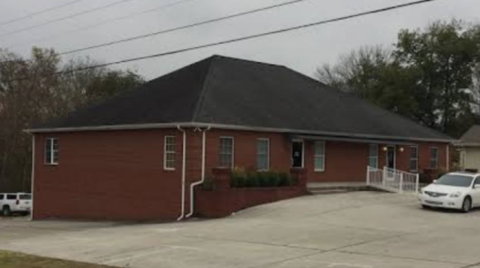
Family Care Wellness Clinic

The National Rural Health Resource Center (The Center) and Stratis Health conducted an on-site technical assistance visit to Family Care Wellness (FCW) on July 7-8, 2026, as part of the Rural Healthcare Provider Transition Project (RHPTP). FCW consists of two primary care clinics offering primary care, mental health therapy, and dietetic services to approximately 110,000 residents across a 10-zip code region.  The organization participated in the Rural Advantage Accountable Care Organization (ACO) through North American Healthcare Management Services for the post three years and participates in the Medicare Advanced Primary Care Management Program and a Medicaid Managed Care Program.

Stratis Health provided technical assistance focused on community engagement, staff training and onboarding, scheduling, and the complexities of value-based care reimbursement. The visit supported FCW leadership and staff in identifying opportunities to close care gaps, improve quality metrics, and increase operational efficiency.  Education included standardizing onboarding and training processes, streamlining scheduling workflows to reduce provider schedule changes, improving wellness visit scheduling, clarifying types, and strengthening quality measures and performance.

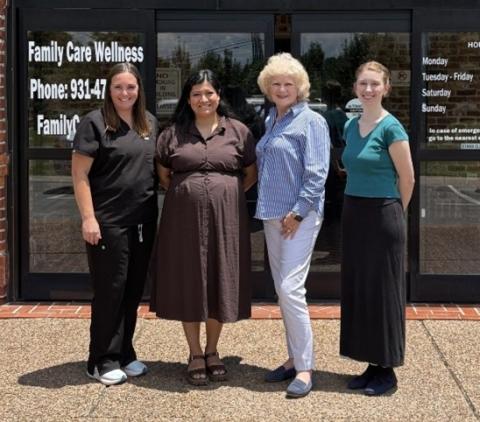
The Center and Stratis Health met with clinic owners Theresa Hill and Whitney Blankenship, along with their staff to evaluate current training and onboarding practices. Recommendations included breaking training into manageable modules, developing visual training aids, incorporating role-playing exercises, and standardizing training across both clinic locations. The team also discussed opportunities to simplify scheduling workflows, standardize processes, and implement provider dashboards to better monitor quality metrics and care gaps.  Additional recommendations included integrating quality metrics into performance reviews and incentive programs, expanding preventive care outreach through community partnerships, schools, and wellness visits, and leveraging community resources to address social drivers of health. 

Family Care Wellness Clinic

Upon completion of the visit, opportunities for continued development included:

  • Expanding annual wellness visits, community health worker services and preventative care programs
  • Strengthening staff training and onboarding processes
  • Providing education about annual wellness visit requirements and billing
  • Improved tracking of quality measures

Next steps include strengthening marketing and community visibility by expanding the organization’s social media presence, highlighting clinic success stories, and showcasing FCW’s impact and patient-centered approach. The team also recommended evaluating scheduling software to replace current scheduling process and developing a standardized onboarding and training program. Additional recommendations included creating provider dashboards to monitor quality metrics, productivity, no-show rates, wellness visits, and care gap performance; improving communication, and expanding community outreach and preventative care through existing partnerships, and holding recurring staff training focused on workflows, scheduling, quality measures, and customer service


Key Takeaways

Family Care Wellness demonstrates a strong commitment to patient-centered care, community engagement, and continuous improvement. Staff are highly committed to serving their patients, building meaningful relationships, and collaborating effectively across the organization.  The providers are well-respected within the community, and the organization has established strong partnerships that support preventive care and patient outreach.  With a collaborative culture and a focus on comprehensive care, follow-up, and quality improvement, FCW is well positioned to succeed in a value-based care environment.

Tags

Hospital Spotlight

The Health Resources and Services Administration (HRSA), Department of Health and Human Services (HHS) provided financial support for this Rural Healthcare Provider Transition Project. The award provided 100% of total costs and totaled $800,000. The contents are those of the author. They may not reflect the policies of HRSA, HHS, or the U.S. Government.

As a technical assistance provider to rural health care organizations, the National Rural Health Resource Center provides access to a wide range of resources on relevant topics. Inclusion on the National Rural Health Resource Center’s webpage or presentations does not imply endorsement of, or agreement with, the contents by the National Rural Health Resource Center or the Health Resources and Services Administration.