Related Articles
“We get to build relationships with people who are on the ground and seeing the impact."
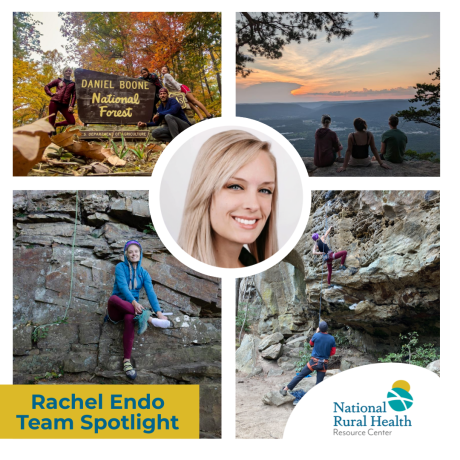
In this month's employee spotlight, hear how TASC and SHIP Program Manager Rachel Endo's rural roots shaped her passion for public health and how it continues to fuel her work supporting rural providers nationwide.
In this month's employee spotlight, hear how TASC and SHIP Program Manager Rachel Endo's rural roots shaped her passion for public health and how it continues to fuel her work supporting rural providers nationwide.
Guadalupe County Hospital surpasses their six-month SRHT goals.

“Our mission and our vision speak to me because the work that we do is important."
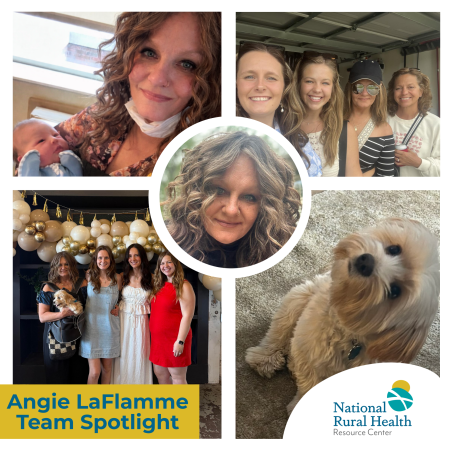
Throughout her 30-year long career with The Center, Lead Program Specialist Angie LaFlamme's passion for supporting rural organizations has remained constant. In this month's employee spotlight, hear Angie's reflections on her path in The Center, the importance of value-based care, and what it means to keep community at the heart of her work.
Throughout her 30-year long career with The Center, Lead Program Specialist Angie LaFlamme's passion for supporting rural organizations has remained constant. In this month's employee spotlight, hear Angie's reflections on her path in The Center, the importance of value-based care, and what it means to keep community at the heart of her work.
“Access to opportunity can change the course of a family’s future.”
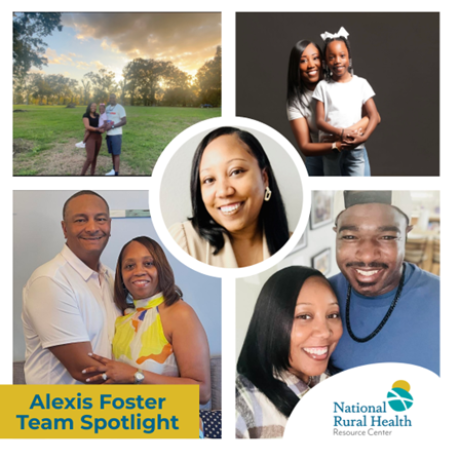
As a lead program specialist, Alexis is no stranger to workforce and leadership development and understanding the ways in which its broader impact has on rural communities. In this month’s employee spotlight, Alexis shares her thoughts on what it means to be a representative of the workforce, how to maintain sustainability in an organization, and the importance of listening to what matters.
As a lead program specialist, Alexis is no stranger to workforce and leadership development and understanding the ways in which its broader impact has on rural communities. In this month’s employee spotlight, Alexis shares her thoughts on what it means to be a representative of the workforce, how to maintain sustainability in an organization, and the importance of listening to what matters.
“We can’t always fix a rural problem with a big city solution."
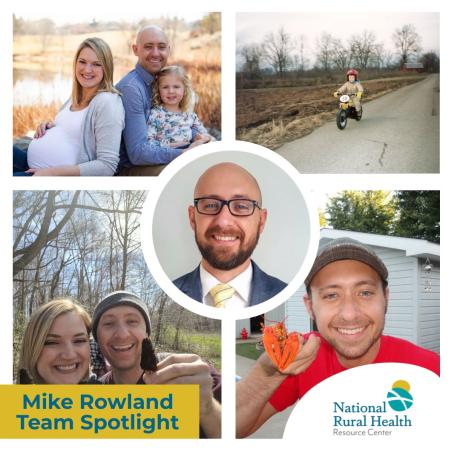
In this month's employee spotlight, The Center's Lead Program Specialist, Mike Rowland, shares his thoughts on growing up in a rural community, how his background influenced his perspective, and his role in leading technology conversations with rural hospitals and clinics.
In this month's employee spotlight, The Center's Lead Program Specialist, Mike Rowland, shares his thoughts on growing up in a rural community, how his background influenced his perspective, and his role in leading technology conversations with rural hospitals and clinics.